As a pet parent, you probably adore running your fingers through your furry friend’s soft, shiny coat. But beyond just looking good, did you know that your pet’s fur condition is a powerful indicator of their overall health? A dull, dry, or patchy coat isn’t just a bad hair day; it could be a subtle alarm bell ringing for underlying health issues.
Let’s dive into what a healthy coat looks like, common fur conditions and what they signify, and how you can keep your beloved companion’s coat in tip-top shape. Plus, we’ll share some insights on premium pet care, especially if you’re looking for dog boarding in Dubai or top-tier pet services.
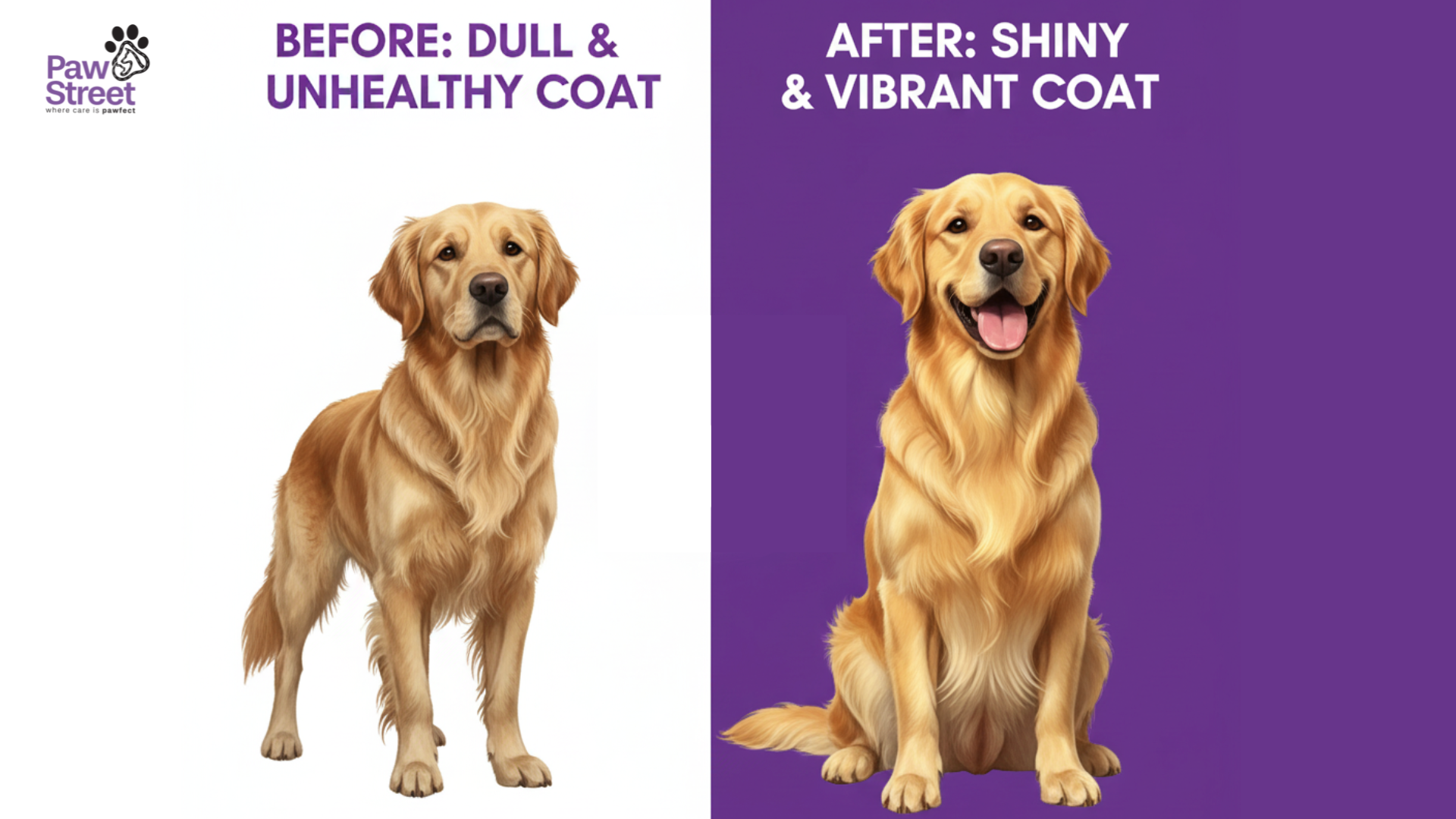
The Tell-Tale Signs of a Healthy Pet Coat
A truly healthy pet coat isn’t just about aesthetics; it’s a testament to good internal health. Here’s what to look for:
- Shiny and Soft Texture: A glossy, smooth coat indicates your pet is well-nourished and adequately hydrated.
- Even Fur Growth: No noticeable bald spots or areas of excessive thinning.
- Natural Scent, No Greasiness: A healthy coat has a mild, natural scent without being overly oily or having an unpleasant odor.
- Minimal Shedding: While some shedding is normal, particularly seasonally, excessive hair loss beyond the usual can be a red flag.
Common Pet Skin and Fur Issues & What They Indicate
Your pet’s fur truly is a window into their internal health. Here are some common fur conditions and their potential underlying causes:
1. Dull or Dry Fur
If your pet’s coat lacks its usual luster and feels rough, it could be due to:
- Poor Nutrition: A diet lacking essential Omega-3 fatty acids and quality proteins.
- Dehydration: Simply not drinking enough water.
- Skin Allergies: Reactions to food or environmental irritants.
- Lack of Regular Grooming: Infrequent brushing can prevent the distribution of natural oils.
Solution: Focus on a balanced, high-quality diet, ensure constant access to fresh water, and use pet-specific, hydrating shampoos. If problems persist, a vet visit is essential.
2. Excessive Shedding (Beyond Normal)
Seasonal shedding is natural, but if your pet seems to be losing hair at an alarming rate, consider these possibilities:
- Stress or Anxiety: Emotional distress can manifest physically.
- Hormonal Imbalances: Conditions like thyroid disorders can impact hair growth.
- Skin Infections or Parasites: Fleas, mites, or fungal infections.
- Poor-Quality Diet: Insufficient nutrients can weaken hair follicles.
Solution: Regular brushing helps manage normal shedding. If shedding is extreme or accompanied by other symptoms, consult your veterinarian.
3. Bald Spots or Patchy Fur Loss
Finding bald patches can be concerning and might point to:
- Fungal Infections: Like ringworm, which causes circular hair loss.
- Mites or Fleas: These parasites can cause intense itching, leading to scratching and hair loss.
- Allergies: Reactions to food, pollen, or other environmental factors.
- Autoimmune Diseases: Where the body’s immune system attacks hair follicles.
Solution: Implement regular flea and tick prevention. Your vet can diagnose allergies or infections and recommend appropriate treatments, including hypoallergenic diets.
4. Oily or Greasy Coat
An excessively oily coat, sometimes with a distinctive odor, could be caused by:
- Seborrhea: A skin condition leading to overproduction of skin oils (sebum).
- Poor Hygiene: Infrequent bathing or improper grooming.
- Underlying Metabolic Disorders: Conditions affecting the body’s oil regulation.
Solution: Regular, appropriate bathing with medicated shampoos (if recommended by a vet) and veterinary assessment to rule out metabolic issues.
5. Brittle or Breakable Fur
If your pet’s fur feels coarse, dry, and breaks easily, consider:
- Nutrient Deficiencies: Lack of essential vitamins and minerals like Biotin, Zinc, or Vitamin E.
- Over-Bathing with Harsh Shampoos: Stripping the skin of its natural oils.
- Age-Related Coat Changes: As pets age, their skin and coat can change.
Solution: Ensure a diet rich in essential vitamins and minerals. Use only pet-friendly grooming products and avoid over-bathing.
How Diet Directly Affects Pet Fur Health
Nutritional foundations are paramount for a healthy coat. To keep your pet’s fur vibrant and strong, ensure their diet includes:
- Omega-3 and Omega-6 Fatty Acids: Found in fish, flaxseed, and high-quality pet foods, these are crucial for skin hydration and coat luster.
- High-Quality Protein: Sources like chicken, turkey, fish, or specially formulated pet diets provide the building blocks for healthy hair.
- Essential Vitamins and Minerals: Zinc, Biotin, and Vitamin E are vital for fur growth and skin health.
- Plenty of Water: Hydration is key to preventing dry skin and dull fur.
Best Supplements for a Glorious Coat
If your pet needs an extra boost, consider these veterinarian-approved supplements:
- Fish Oil: Packed with Omega-3s for excellent skin hydration and shine.
- Coconut Oil: Can be added to food or applied topically to promote smooth, glossy fur.
- Biotin Supplements: Essential for keratin production, which strengthens hair and nails.
- Probiotics: Support a healthy gut, which surprisingly has a strong impact on skin and coat health.
The Importance of Regular Grooming
Regular grooming is more than just keeping your pet looking neat; it’s vital for their skin and coat health.
- Brushing: Helps remove loose fur, dirt, and debris, while distributing natural skin oils across the coat.
- Short-haired pets: A soft bristle brush works wonders.
- Long-haired pets: A de-shedding tool or slicker brush is crucial to prevent matting and tangles.
- Bathing: Use only pet-friendly, hypoallergenic shampoos to avoid stripping essential oils. Be mindful not to over-bathe, as this can lead to dry skin.
Cat Fur Problems and Their Causes
While cats are meticulous self-groomers, they can also experience fur issues:
- Excessive Licking or Over-Grooming: Can indicate stress, allergies, or even pain.
- Matted Fur: Often seen in obese or arthritic cats who struggle to groom hard-to-reach areas.
- Dandruff: Commonly caused by dry skin, an unbalanced diet, or sometimes underlying health issues.
Why Professional Pet Care Matters
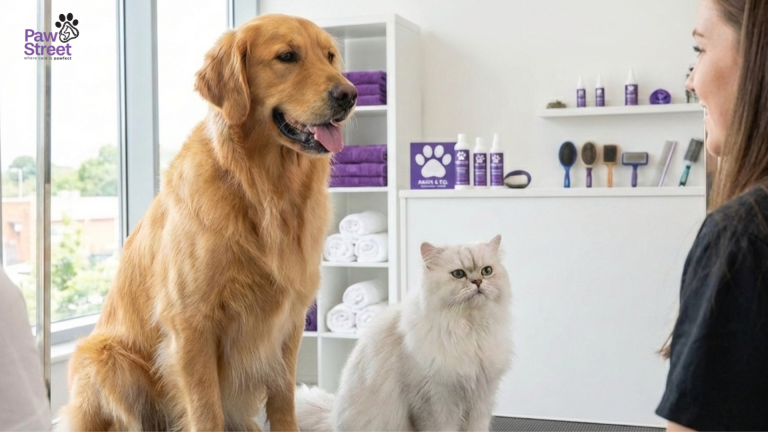
Sometimes, keeping your pet’s coat in pristine condition requires a little extra help. Professional grooming services offer expertise in handling different coat types, using specialised products, and identifying potential skin issues you might miss.
For those in the UAE, finding the best pet care in Dubai ensures your furry friend receives top-tier grooming, premium nutrition, and a supportive, stress-free environment.
The Best Dog Boarding in Dubai for Your Peace of Mind
If you’re planning a trip, choosing the right dog boarding in Dubai is crucial. Look for facilities that offer:
- Climate-controlled environments: Essential for comfort in the local climate.
- Personalised grooming services: To maintain coat health even when you’re away.
- Specialised diets: Catering to any skin or coat health needs.
- Constant supervision and enrichment: To ensure a stress-free stay.
Final Thoughts: A Healthy Coat, a Happy Pet
Your pet’s fur is truly a window into their overall well-being. By paying attention to its condition, providing proper nutrition, ensuring regular grooming, and seeking professional pet care when needed, you’re not just ensuring a gorgeous coat, you’re nurturing a happy, healthy pet from the inside out.
Whether you’re exploring the best pet care in Dubai or simply upgrading your home grooming routine, always prioritize quality services and products. Your pet deserves Paw street.